
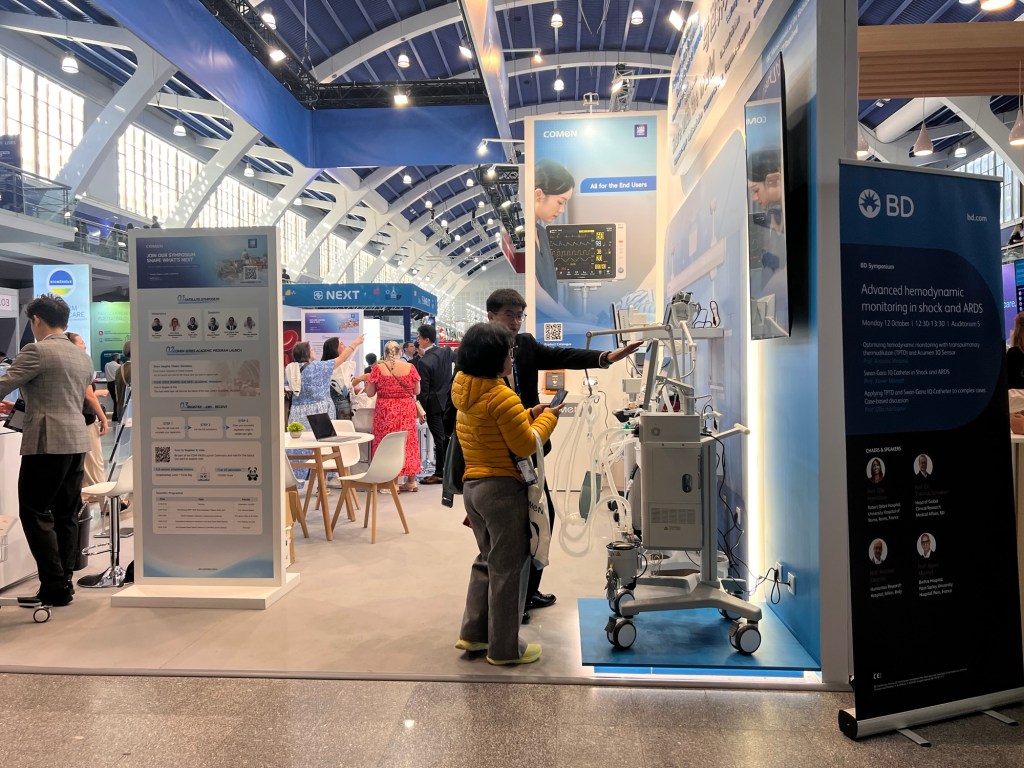
Last week I attended the LIVES conference in Lisbon, an intensive care conference on the latest innovations within the field. I found the congress quite good on the whole – there were lots of stalls with the latest tools and tech in the field, some thought-provoking talks, and lots of free espressos. There were certainly flaws as well. Some of the talks were poorly presented, focused on details irrelevant to clinical practice, and I saw plenty of technology with no proven benefit for patients despite their admittedly impressive ability to sweep up inflammatory markers or display continuous monitoring of certain biomarkers.
On the whole I left the congress reflecting on how much of what we do boils down to letting the body heal the original insult. A lot of work within anaesthetics and intensive care is in providing the temporising measures that can keep someone alive long enough to sort themselves out. There is much talk of quantifying clinical improvement, but it really does seem that the qualitative assessment from a clinician is the best indicator of a patient who will do better. I worry that this push for clinical AI leaves us overemphasising the quantitative over the qualitative in healthcare.
For example, we often like to think that tinkering with fluid resuscitation and vasopressors in fine detail make significant impacts to patient care. Often it does not. A fascinating talk my colleagues attended was on delivery of treatment for sepsis in low-income countries. Despite the fact that there is a dearth of intensive care beds, patients often fare similarly as long as the basic measures are followed. Fluids, antibiotics, and oxygen save lives.
If we start designing AI systems that help us automate and “fine tune” fluid administration and vasopressor delivery (with these systems given goals and measures that do not necessarily indicate improving patients outcomes), we can easily reinforce practice that has no evidence base behind it.
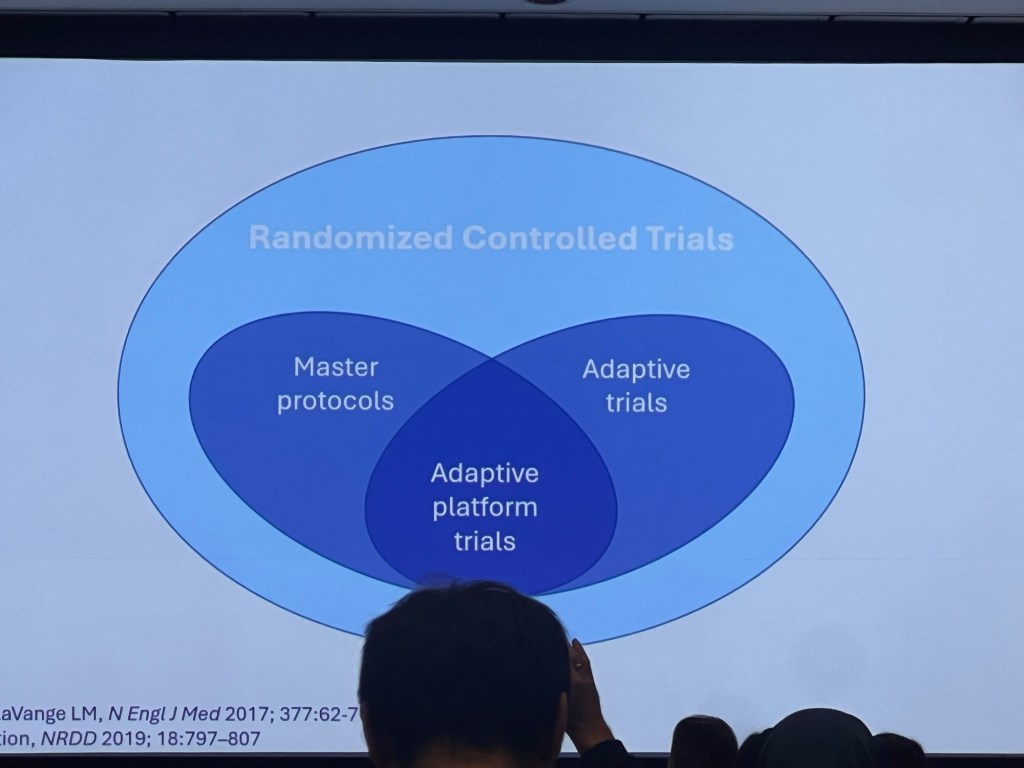
One of the best talks of the entire congress was by Dr. Lennie Derde on how inefficient randomised controlled trials are and the need to move to more adaptive trials that allow for adding or dropping treatment arms. A statistic from that talk that particularly shocked me was that only 3% of the decisions we make on an average day in critical care are evidence based in research. Really, this indicates that it may be time for an overhaul in how we perform research. Perhaps the greatest upcoming innovations could come from the way we search for innovation.
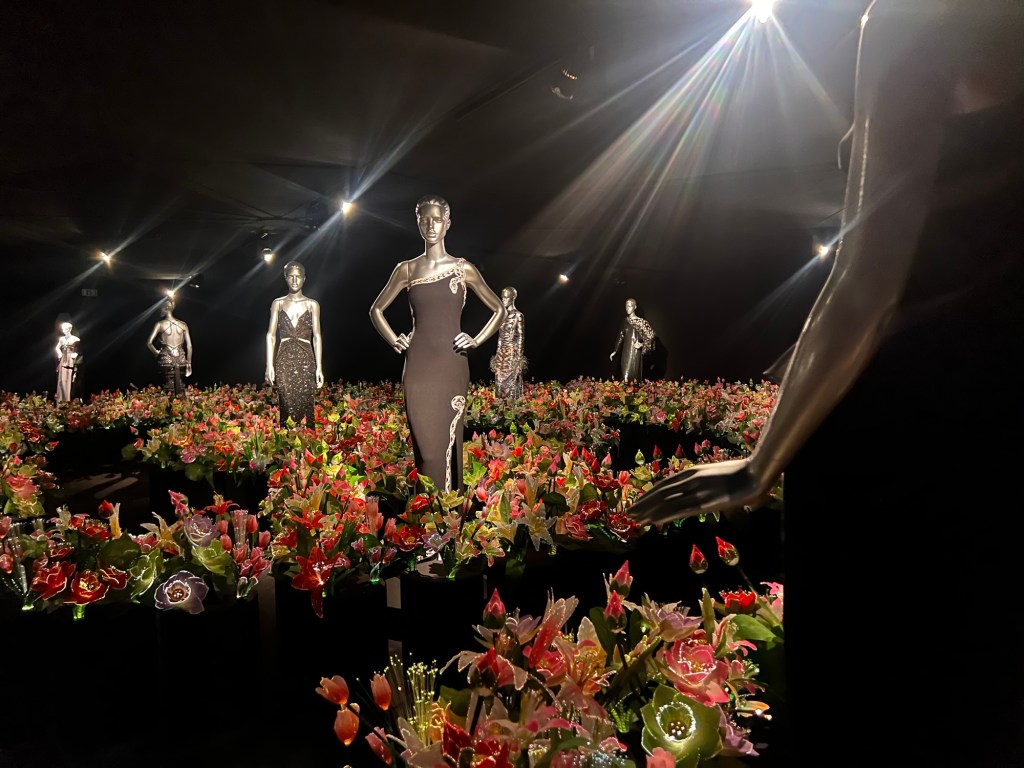
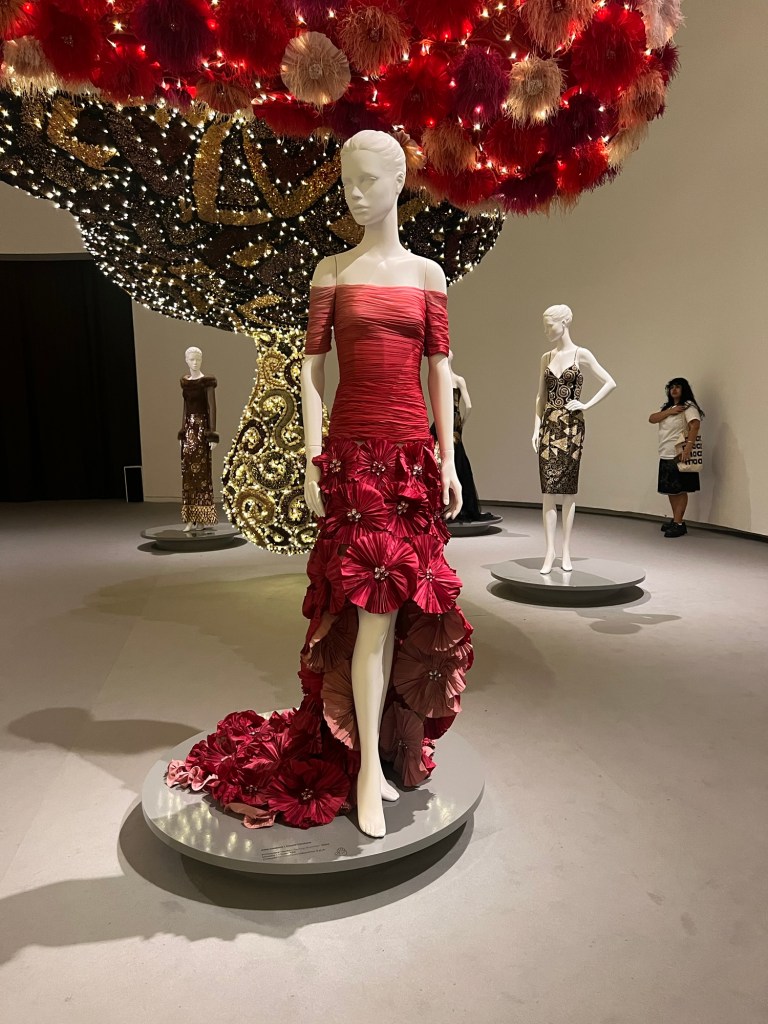
Following the congress, two Portuguese friends gave us an excellent tour of Lisbon. I greatly appreciated just how much of their culture they showed us. We went to the restaurants all the locals attend and were given little history talks on our tours of the castles and historical sites. We even went to an incredible exhibition of Valentino’s fashion at the MAAT. The dresses were presented as part of Joana Vasconcelos’ artwork. My favourite section included a walk through an artificial garden with a variety of elegant black dresses to marvel at. The design of the art piece allowed you to walk around each dress, as the backs were just as stunning (if not more so) than the fronts.
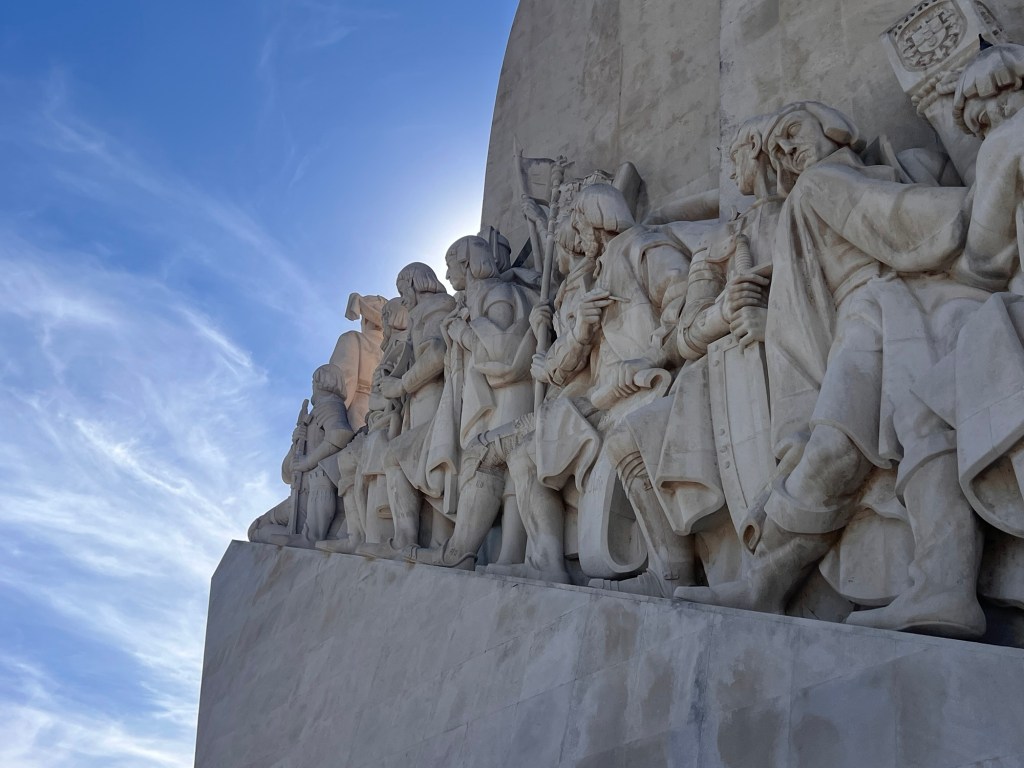
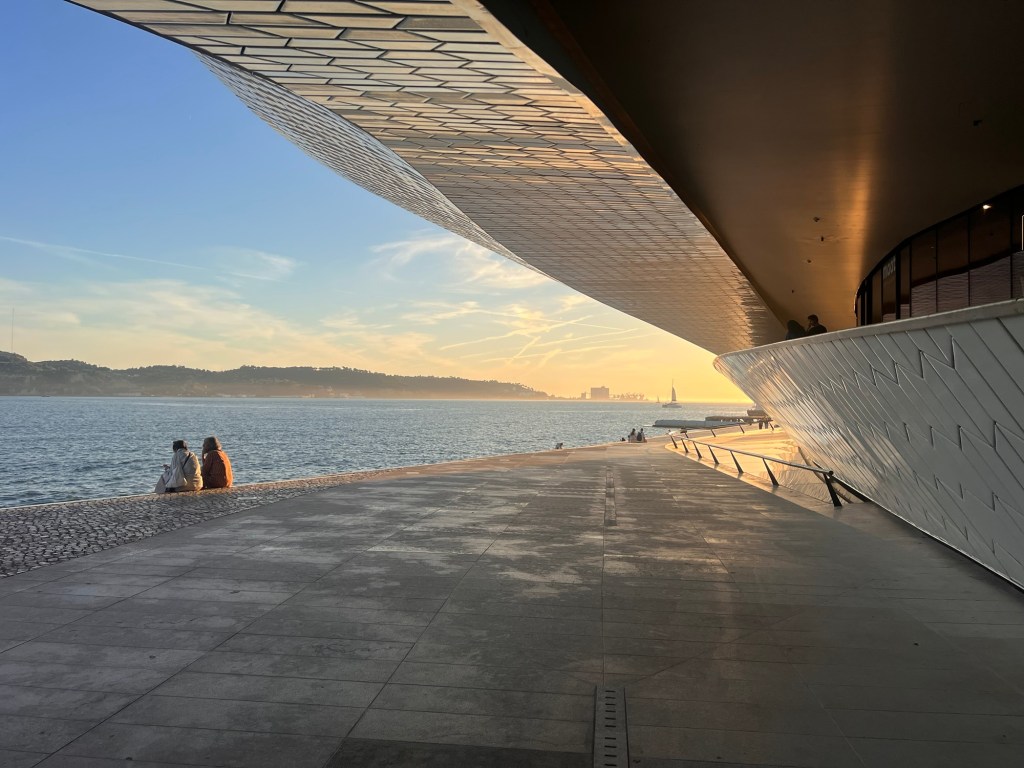
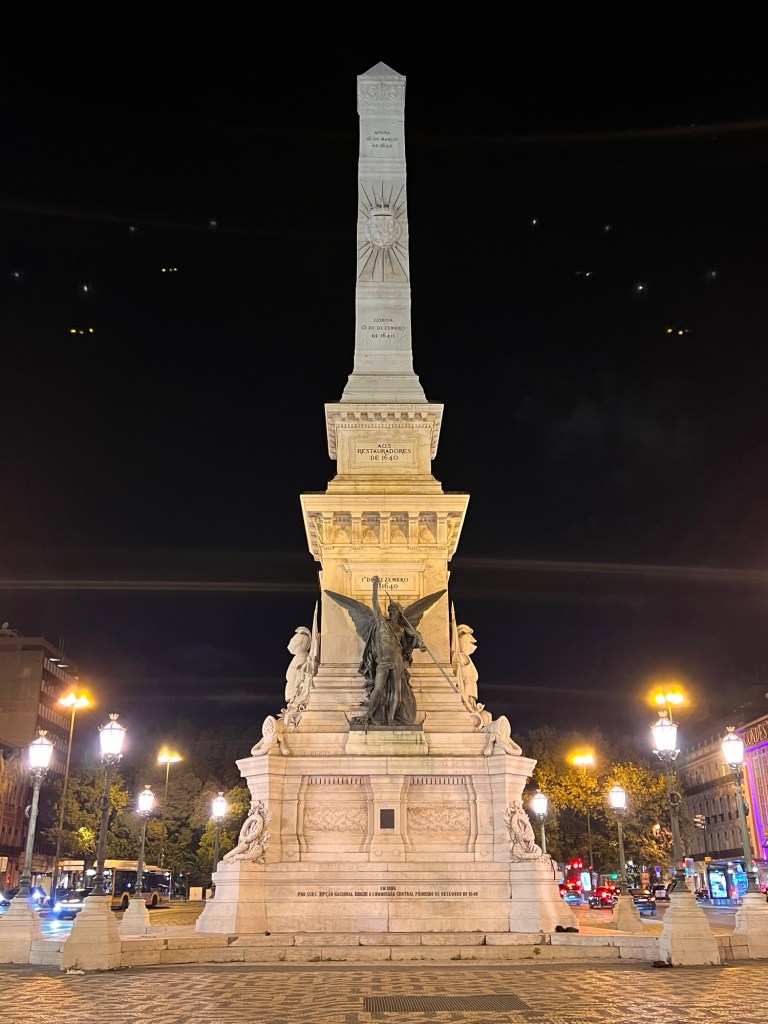



On reflection, Portugal in a way felt like home. Some of the people I was closest to at university were Brazilian, so hearing Portuguese felt like I was around them again. In a way, it also felt reminiscent of my childhood in the middle east. Snippets of Arabic can be found in the language and the culture can at times remind me of the one back home with its emphasis on family and social connection (although obviously much more socially liberal). I will certainly go back for Madeira and a return to Porto to try out their more northern dishes.





Leave a Reply