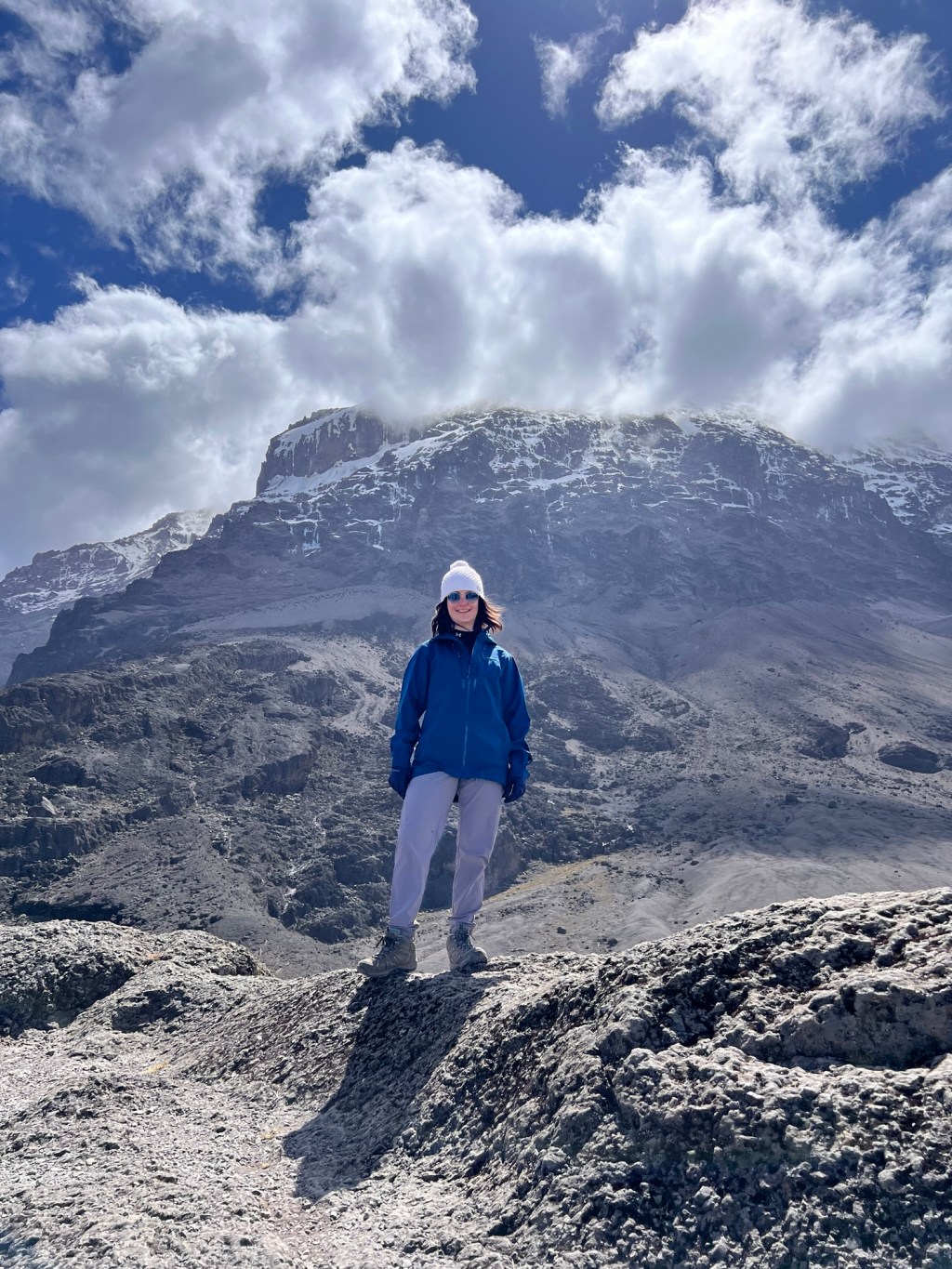
I’ve just come back from an incredible trip to Tanzania. I am embarassed to admit how little I knew about Tanzania before arriving there. Mount Kilimanjaro drew me to it, but I learned so much more on my trip there than just hiking up the mountain.
Kilimanjaro is the world’s tallest free-standing mountain, dominating the landscape of Moshi, a city in North-Eastern Tanzania close to the border of Kenya. From a distance, it is beautiful and commanding. As you close in, you realise it is also foreboding. It is accessible, with hiking paths that are merely moderate in difficulty, but it is a real mountain nonetheless. The winds howl, the air gets thinner, and its black and white peak reminds you that you are not welcome. This is reinforced by the sound of helicopters coming in to pick up the injured and altitude sick. I picked Lemosho route, which gave me the opportunity to acclimitise over 8 days and was an unforgettable adventure of a lifetime.

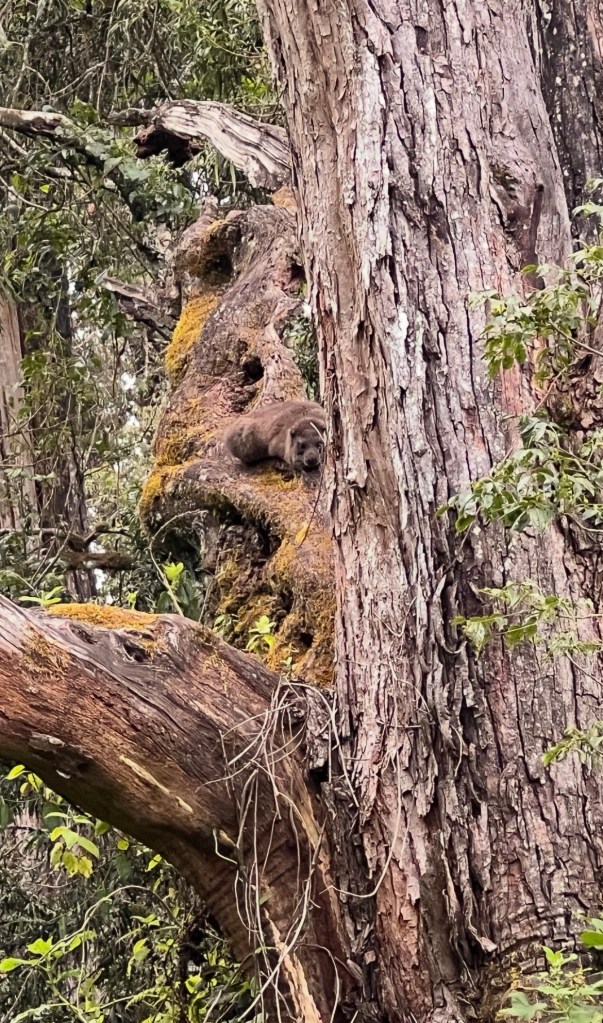
Much like the Inca Trail, what marks out Kilimanjaro’s trek is the diversity of its climate zones. You start off your walk in a rainforest where monkeys skitter along the branches and hyraxes lounge on wide-set tree trunks. You sleep to the chatter and clicking of these animals and gently wake up to birdsong.

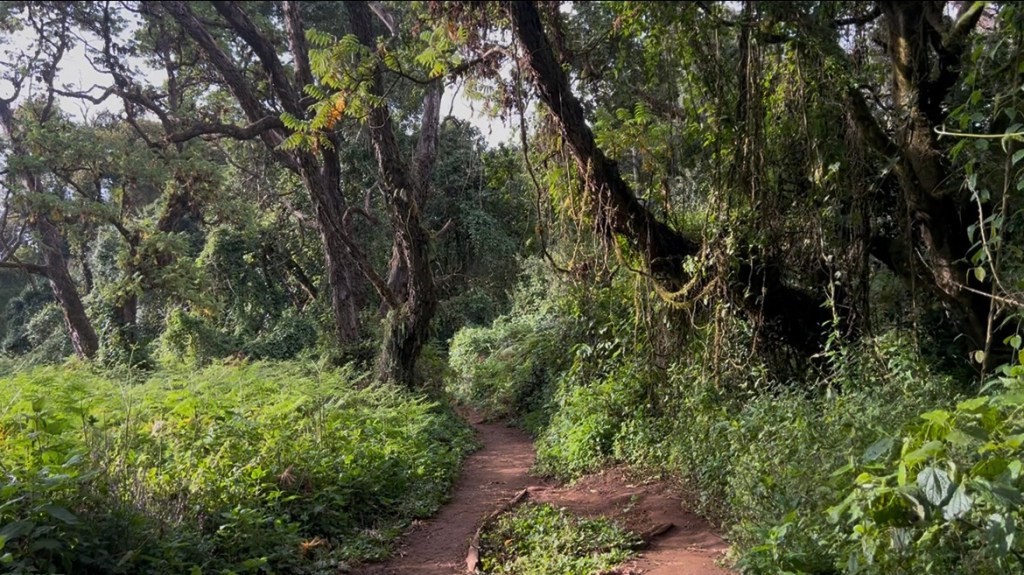
By the second day, you enter Heather-Moorland. The trees gradually disappear with shrubs and alpine wildflowers taking their place. This is where you get your first view of Mt. Kilimanjaro as you make your way to Shira Camp I.

As you continue your ascent, even the shrubs begin to disappear and you enter an alpine desert. You better shut your tent doors or the sand forces its way in as the winds whistle around you. Shortly after the sun sets, the air becomes frigid and I rushed back to my sleeping bag after dinner every night to get warm and toasty.
You fall into a routine after a few days. We were absolutely pampered by the services G Adventures provided us with. They woke us up with coffee every morning, provided us with warm water to clean ourselves, and served delicious hot food for breakfast, lunch, and dinner. It honestly felt more like a luxurious glamping trip than a backpacking trip. In some ways, it detracted from the challenge I wanted to experience, but it also is a way of giving back to the community in Tanzania and I deeply respected and appreciated the strength and kindness the guides, chefs, and porters demonstrated to us on the trip.
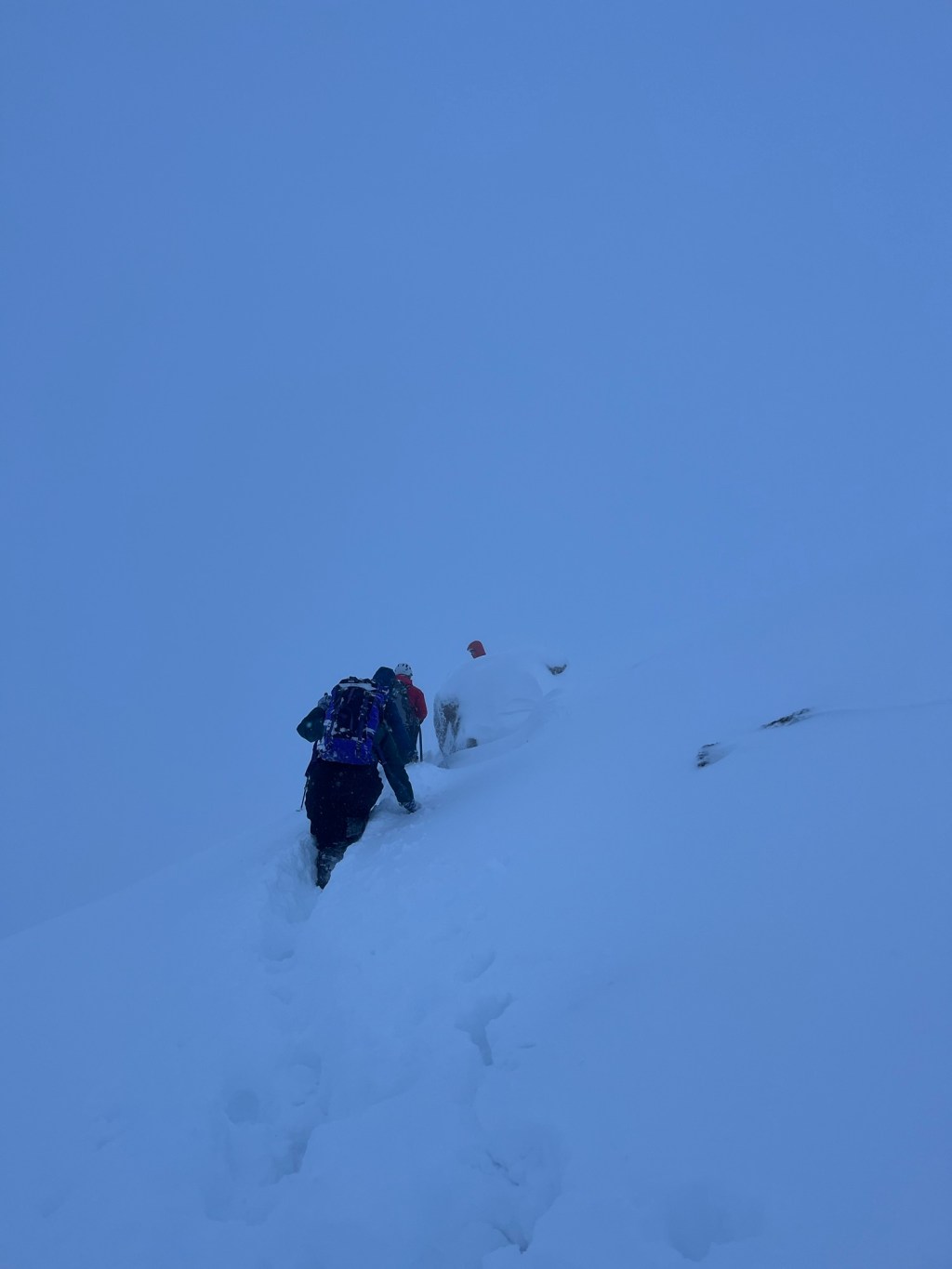
Summit night starts from Barafu, the base camp, at 4,600 meters. We woke up at midnight to begin our final ascent to Uhuru peak through Kilimanjaro’s arctic zone. The sky overhead was completely clear. The head torches felt redundant, as the moon illuminated the rocky path towards the summit. It was freezing cold and although I packed many layers I could feel my hands and feet getting blisteringly cold and struggled to move my fingers and toes after a few hours. I had my backpack taken from me at the start of the summit night because I was a little out of breath. Something within me bristled at that. I took it back saying that for me getting to the top was not the most important thing. I came here to be challenged and I had not experienced that yet. Perhaps I booked this trip to process something and to have it be a complete luxury felt unfair and wrong. I don’t care what anyone thinks of the picture at the top and whether I made it or not. I care that I get the challenge I was looking for, and so I carried my backpack until I was about 50 meters away from Stella Point (where you enter the crater rim at the summit, marking the end of the hardest portion of the ascent). I suddenly became quite breathless even at rest and nauseous. I vomited whilst walking to Uhuru, my gift to Tanzania, and shivered with the cold. Once at the peak, the guides kindly helped warm me up and recognised that I was likely hypothermic and moderately altitude sick. I took a photo at the summit and quickly descended with a guide, feeling better within minutes as the sun rose and I warmed up. Nearly all my symptoms disappeared after descending 500 meters.
I have no regrets. I got the challenge I was looking for and was safe throughout with the wonderful guides. I did learn some lessons, though – namely the importance of thermal socks, using mittens instead of gloves, drinking more electrolytes during the trip, and although I drank the recommended 3L a day, perhaps I needed even more and will do so the next time I’m at that kind of altitude!
I have nothing but immense respect for the people who led the trip. They made the experience beautiful and I greatly enjoyed learning of Tanzanian culture on those days up the mountain. I will never forget the kind porter who helped take off my shoes when I was exhausted after the summit ascent. As the only woman in camp with over 30 men, I never once felt fearful of my safety by the staff and am deeply grateful for everything they did to show how wonderful their country is.
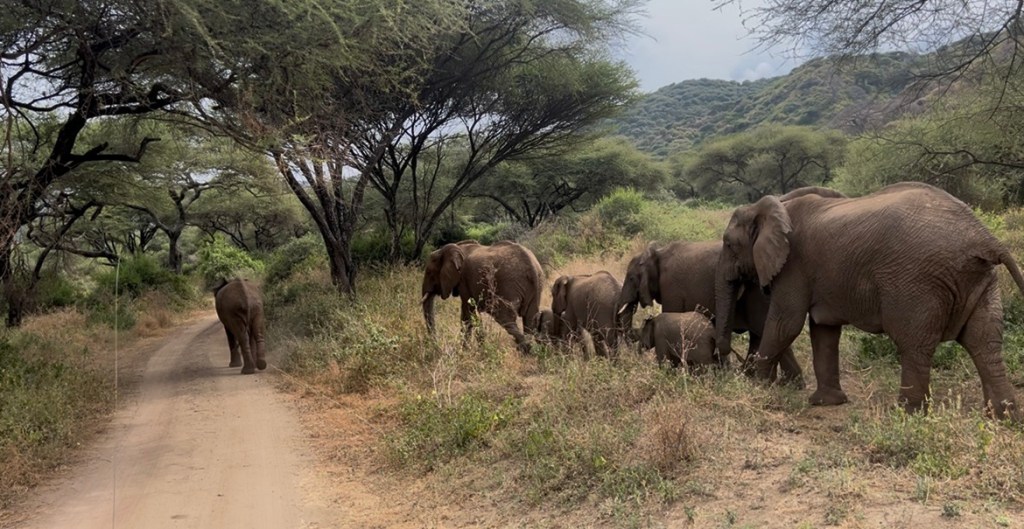
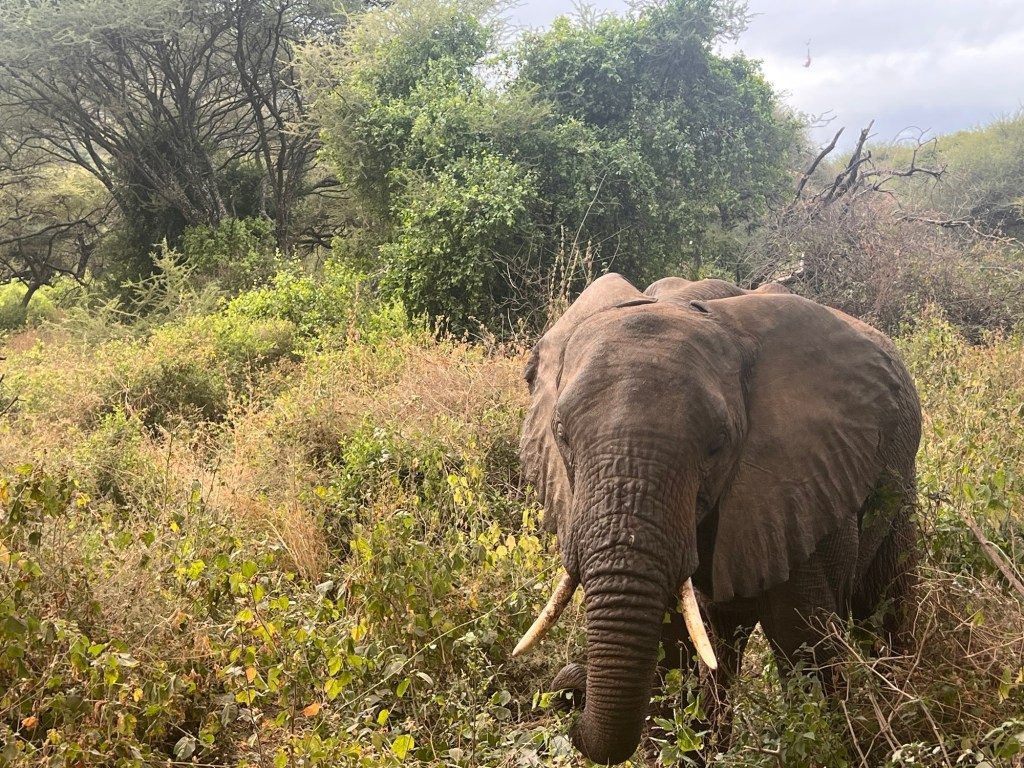
After Kilimanjaro, we went on a safari tour of Lake Manyara, the Serengeti, and Ngorongoro Canyon. In Lake Manyara, we saw a family of elephants. We had a bit of a heart-stopping moment after an elephant entered the dense forestry and disappeared. We wondered where it had gone and followed with our car when it suddenly stamped out as we turned the corner. Our guide quickly braked and stopped us from getting run over!
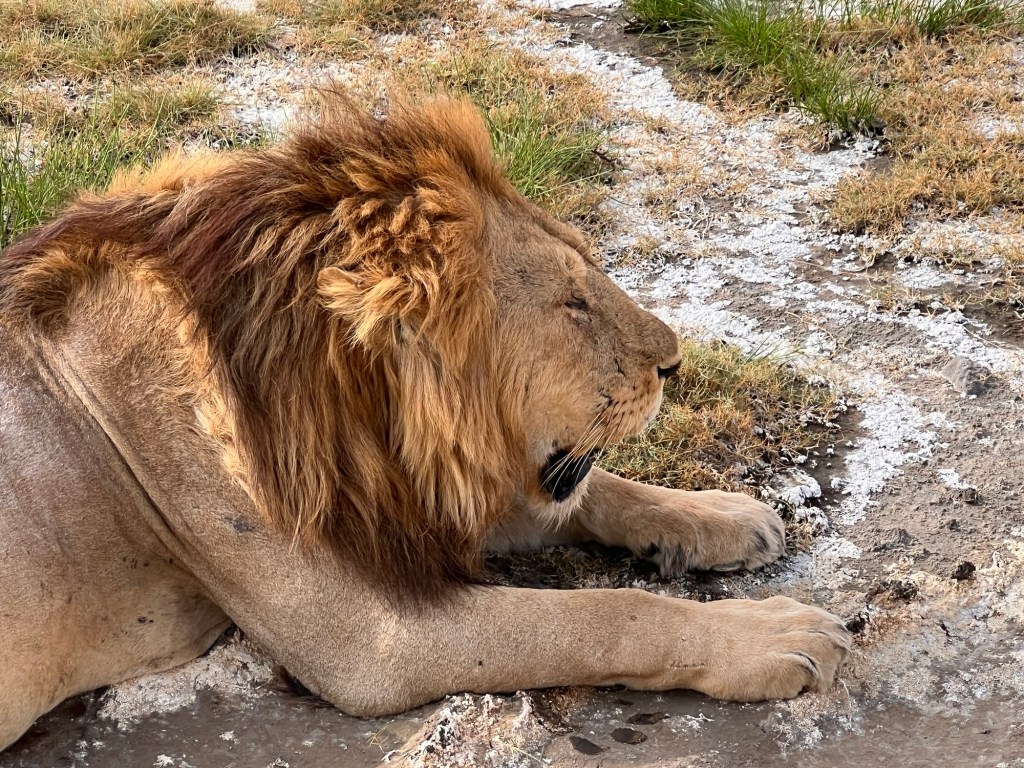
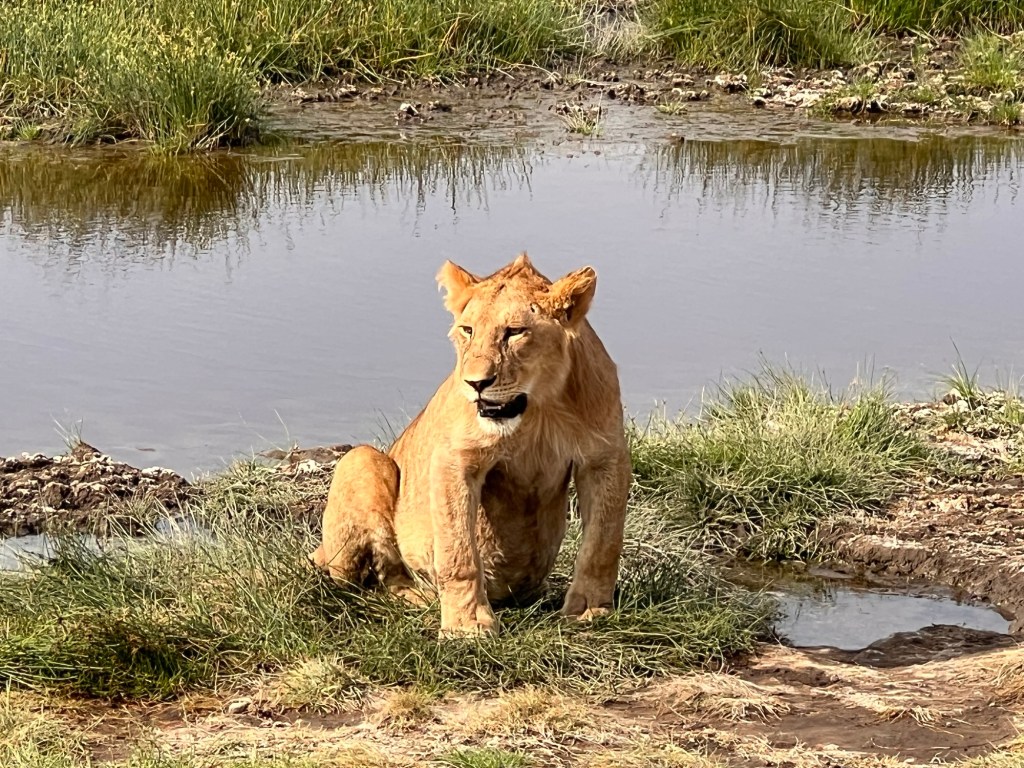
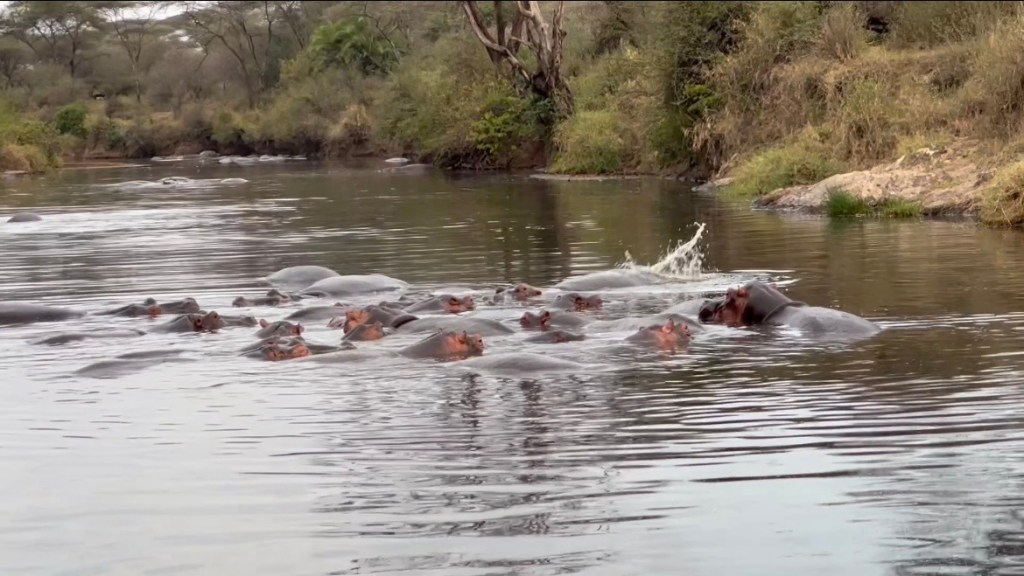
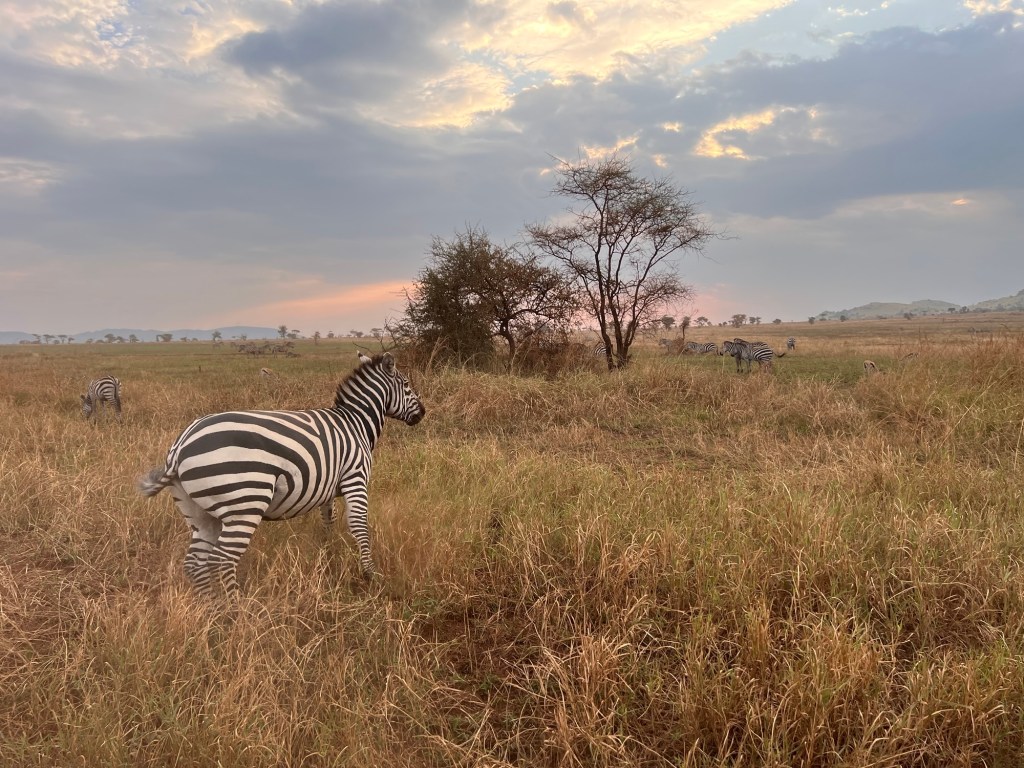
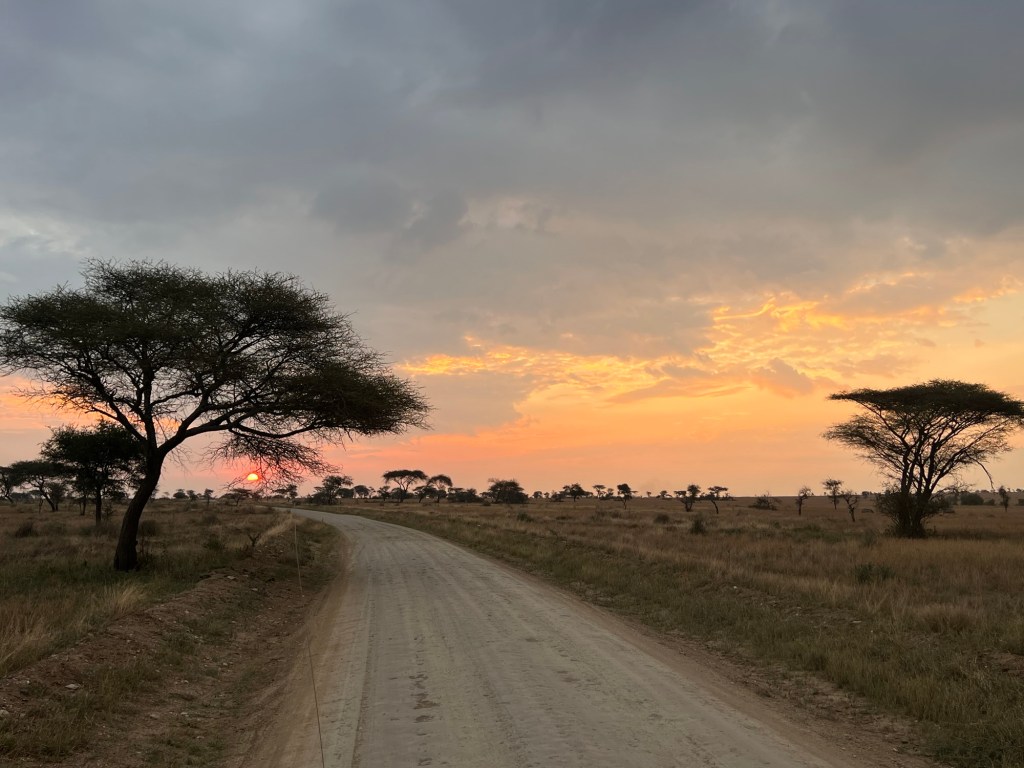
The Serengeti was my highlight from the safari tour. The endless plains stretched before me as I stood in the safari car. It felt freeing to see the acai trees and dense grassland flit past. The zebras brayed at sunset as cheetahs prowled nearby, lions lounged near water pools, and hippos floated as monkeys watched on distant tree branches. We stayed at a camp that was unfenced in central Serengeti. We were assured of safety but warned wildlife regularly finds its way in between our tents. I was soundly asleep all night but was informed a lion was prowling outside at night. Ignorance is bliss.

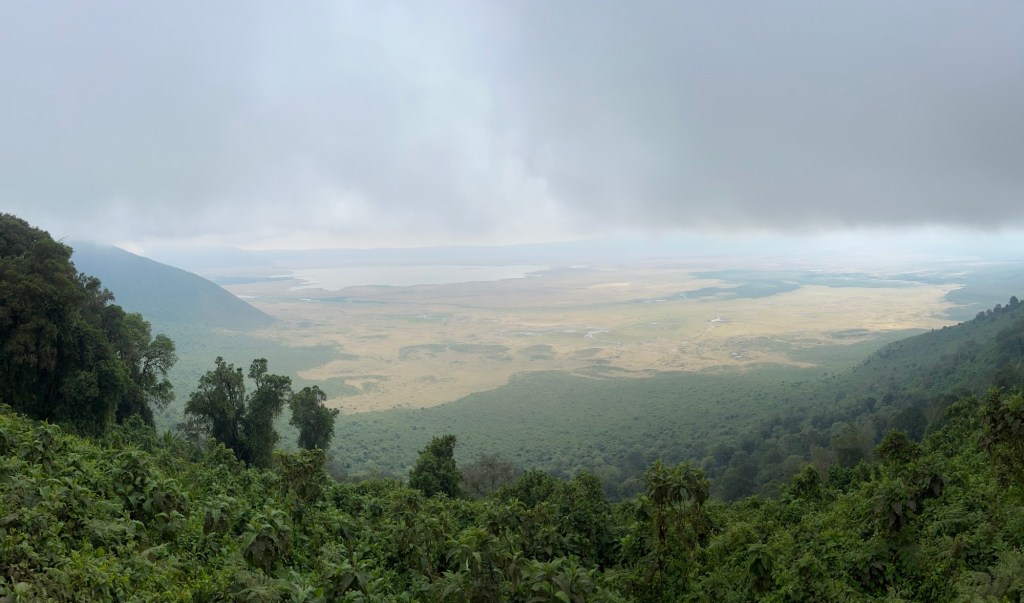
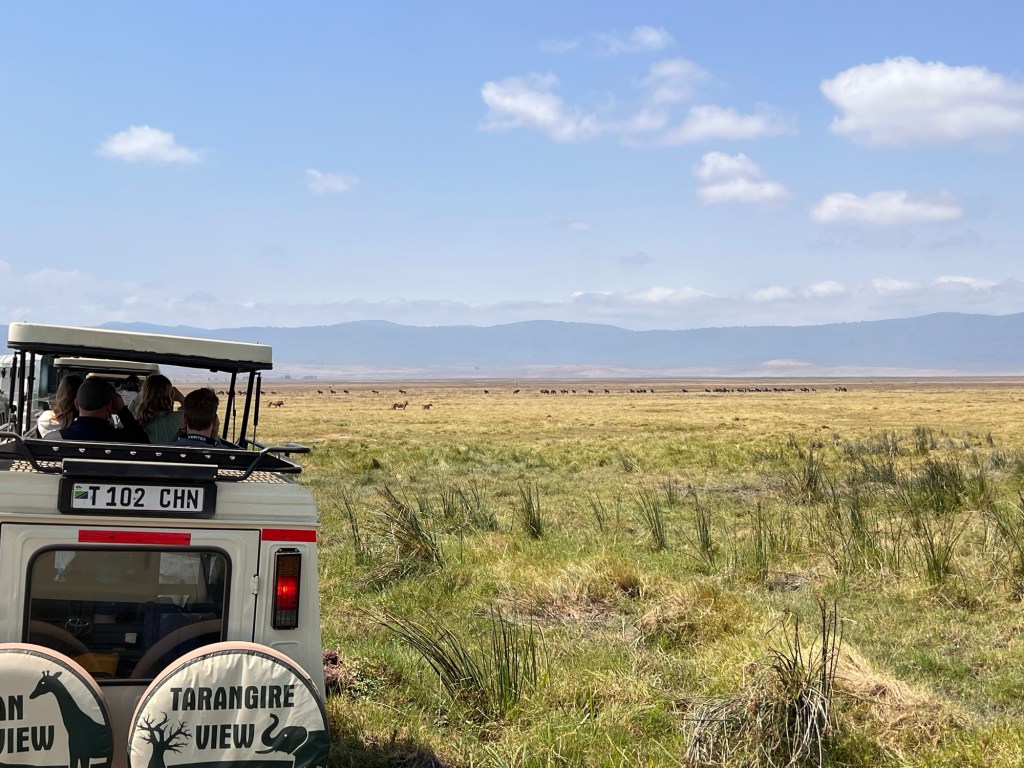
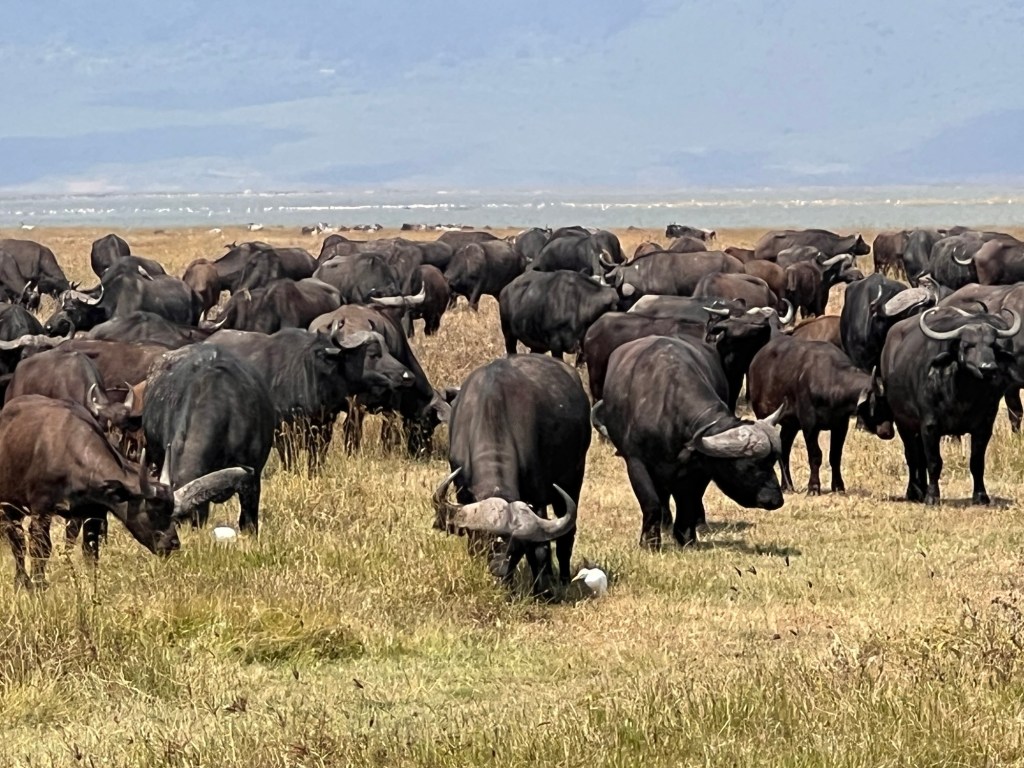
That is not to say Ngorongoro Canyon was not stunning as well. The vultures whirled as storms do, sensing a meal was ready for collection. African buffalos grazed, wildebeast mingled with zebras and gazelles, and there was an abundance of colourful birds dotting the horizon.
Our tour included a visit to a Maasai boma. We learned of how they lived in huts built by the women in the tribe, how the men train to become warriors, and of a Maasai tribesman who left his community to go to university. He dreamed of slowly changing the culture so that a mark of a warrior isn’t a battle with a lion but through education. I wish him the best with that admirable goal. Changing culture is often a challenge in itself, and it so hard to recognise what is worth keeping and what is right to change. Time will tell and I learned so much from their tour and am grateful for that opportunity and the kindness they showed.
Tanzania was the trip of a lifetime. I challenged myself physically and intellectually, learned what other cultures had to offer, and was in awe at the wildlife. It is a country of resilient, kind, and thoughtful people. Asante!
 curiosity saved the cat
Leave a comment