
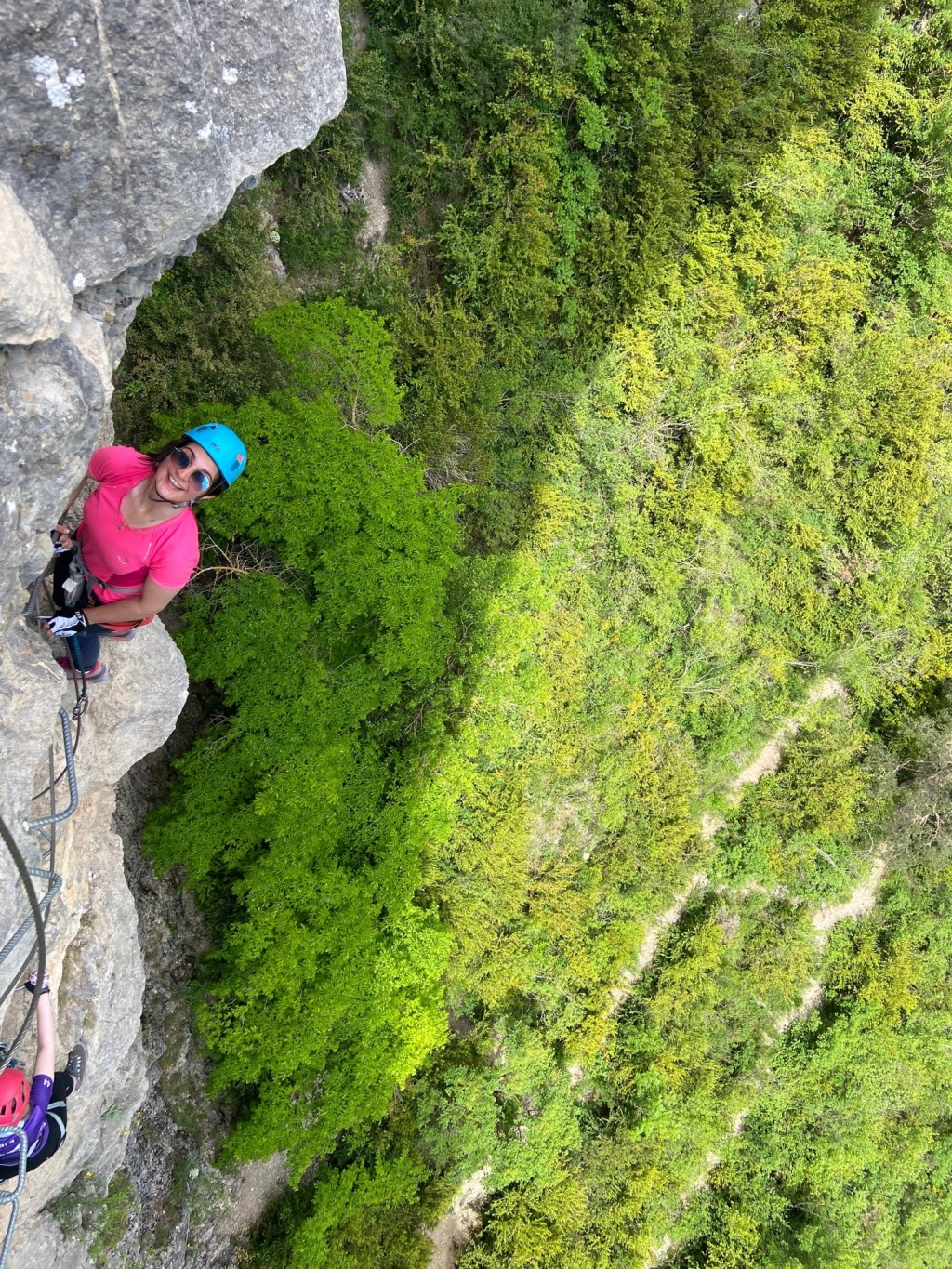
Transitioning from indoor to outdoor climbing has been hampered by what exposure can do to me – basically, I get a serious case of Elvis legs. It’s hard to enjoy the climbing when every time I look down I get vertigo even when I’m safe. I was super excited when my friend asked me to join her in France to do some via ferrata in the French Alps. I felt like it would be an amazing trip anyway, but it would also help me get some exposure in whilst remaining relatively safe.
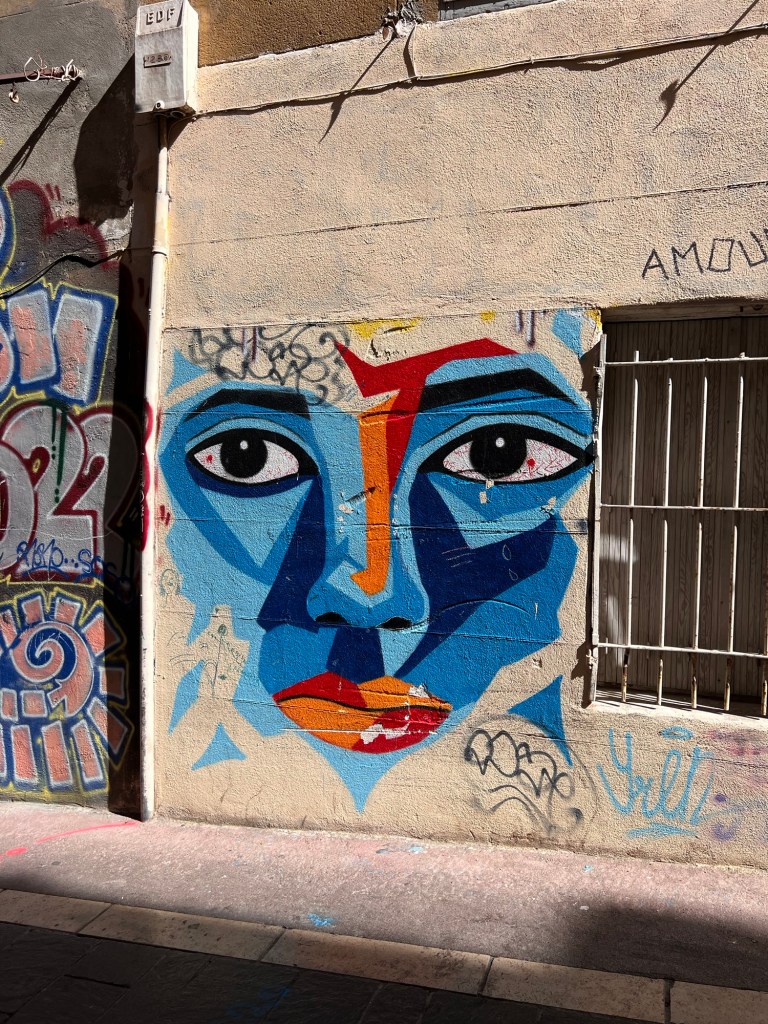
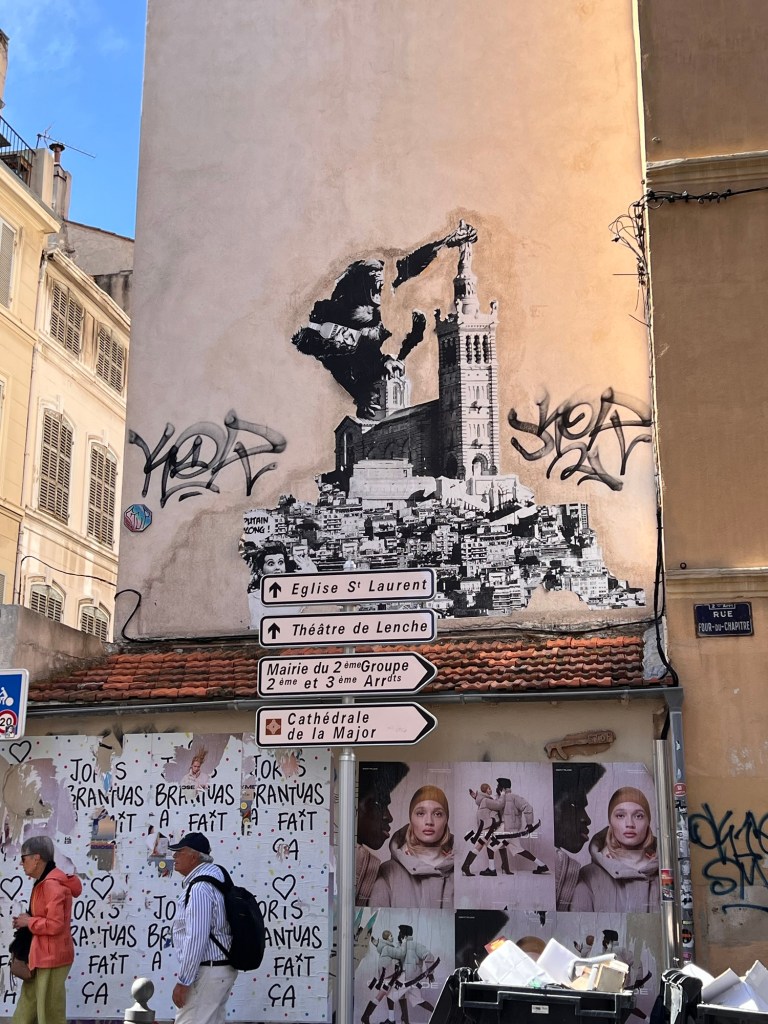
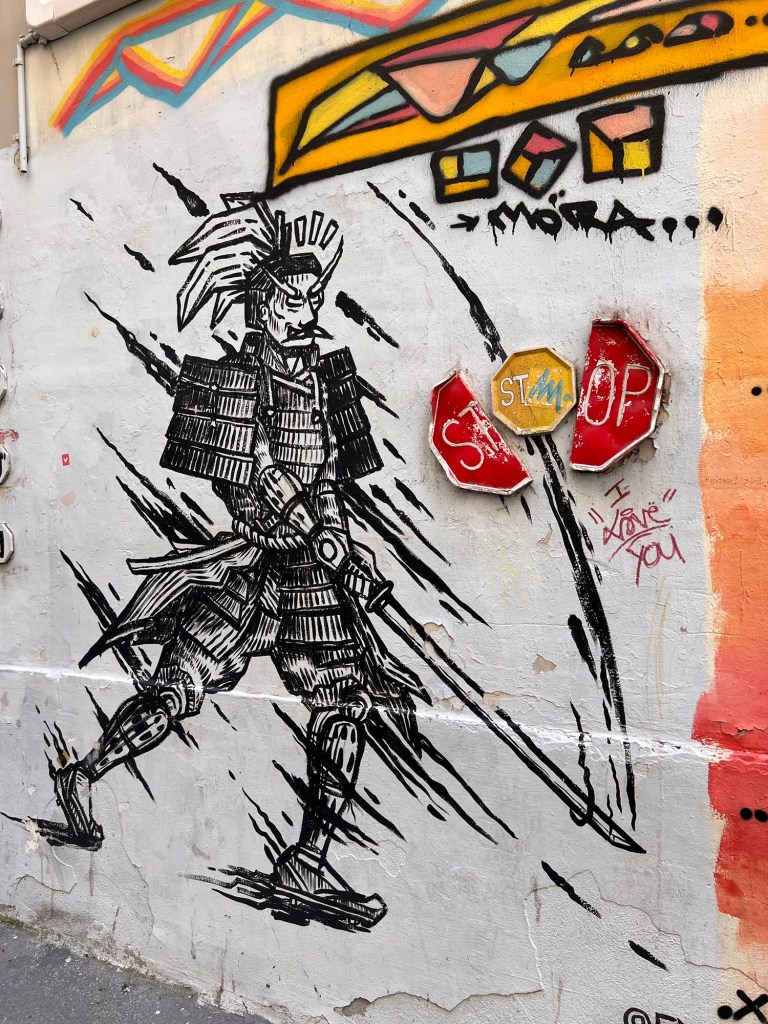
We arrived in Marseille and spent a day taking in the beautiful views along the harbour and the old city dipped in grafitti.
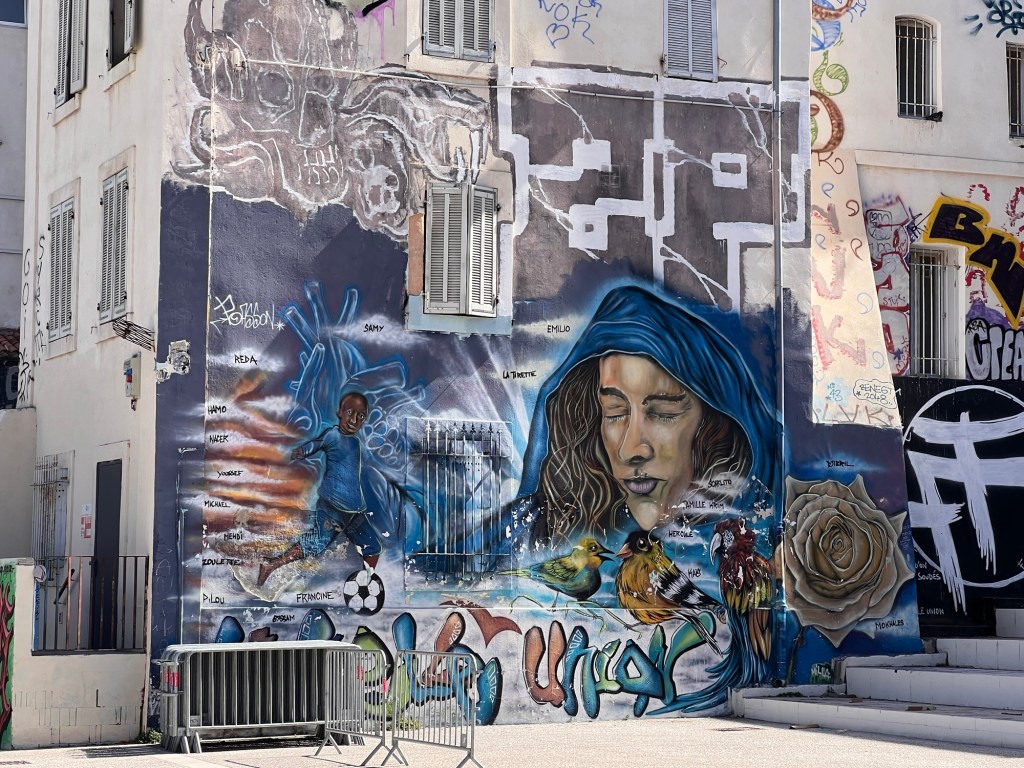
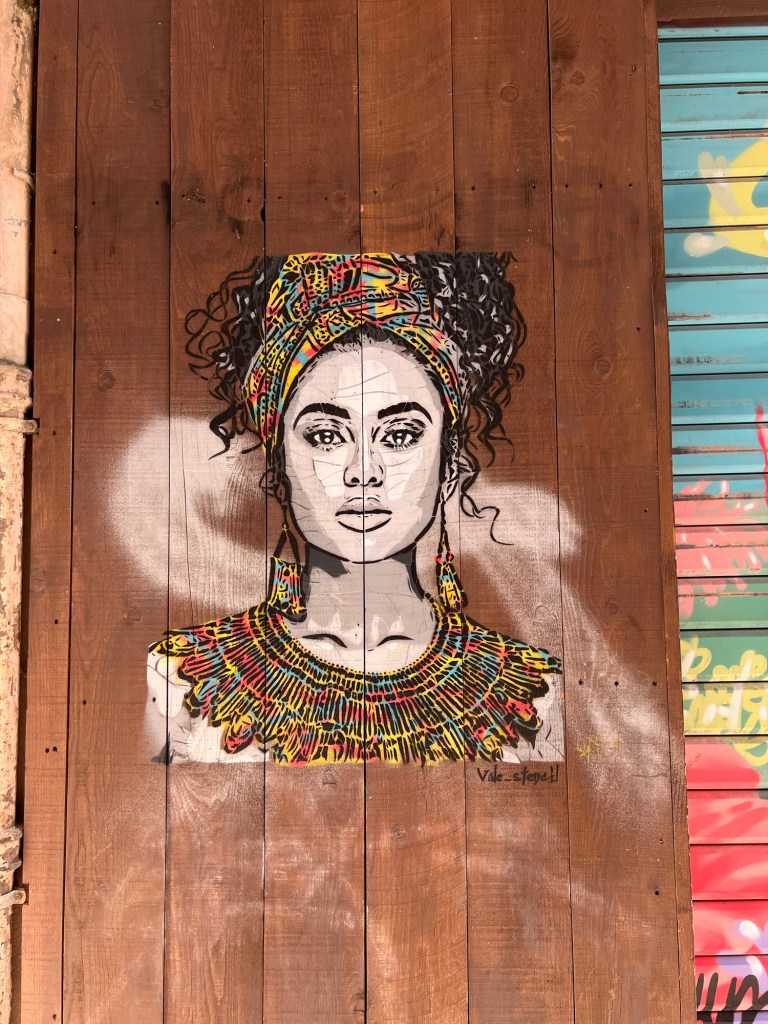
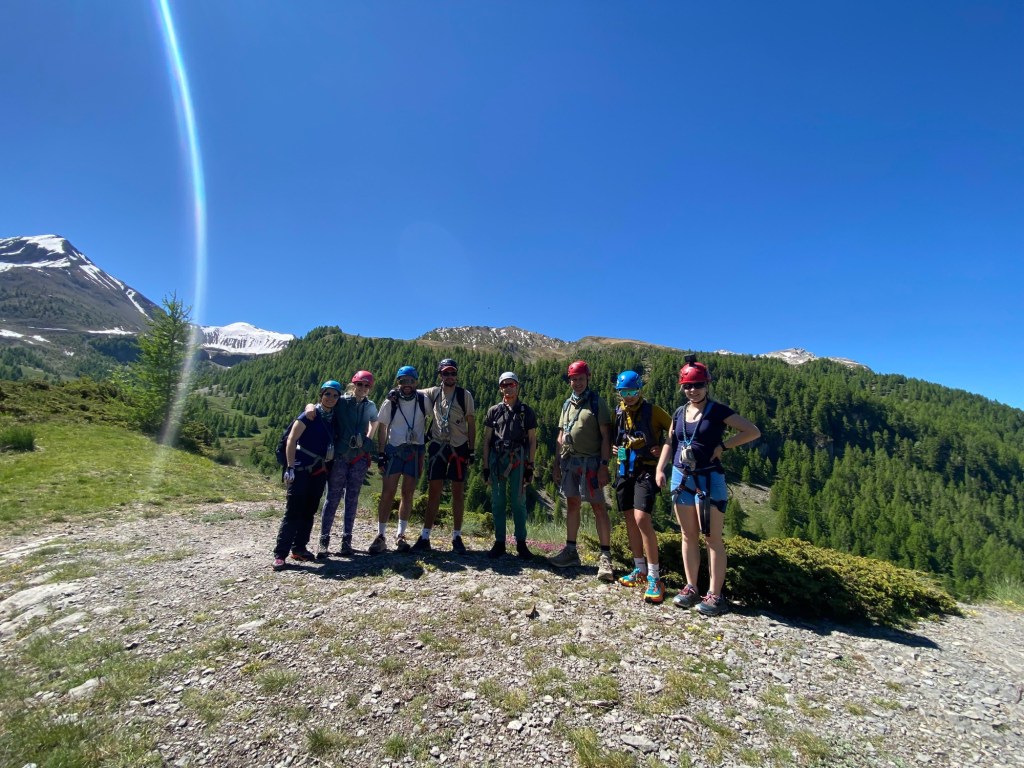
After enjoying some amazing food (I tried my first ever mussel, which I was not particularly enthused by) we hopped on the train to Gap where our adventure with Undiscovered Mountains began. They’re a company that do a myriad of adventures from snow shoe-ing, climbing, and via ferrata with expert guidance. We had met the group the previous night over dinner and started our first day of activity with a via ferrata in Ancelle that would allow the guide to assess our abilities and comfort with heights. It was quite a surprise just how quickly we were met with some serious exposure. There were overhanging sections that were not challenging at all from a technical point of view but certainly required strength and endurance. It felt similar to an indoor overhanging 6a – all the holds were essentially jugs that you needed to quickly haul yourself up. We even had the chance to cross a wire bridge!
The history
Via ferrata is Italian for iron path. These are protected routes along Alpine mountains that include steel cables and railings to arrest a fall. To help navigate challenging terrain, there is often steel ladders in the form of rungs for your hands and/or feet. You can use a harness that has shock absorbing lines with carabiners to clip yourself onto the fixtures and limit the damage from a fall.
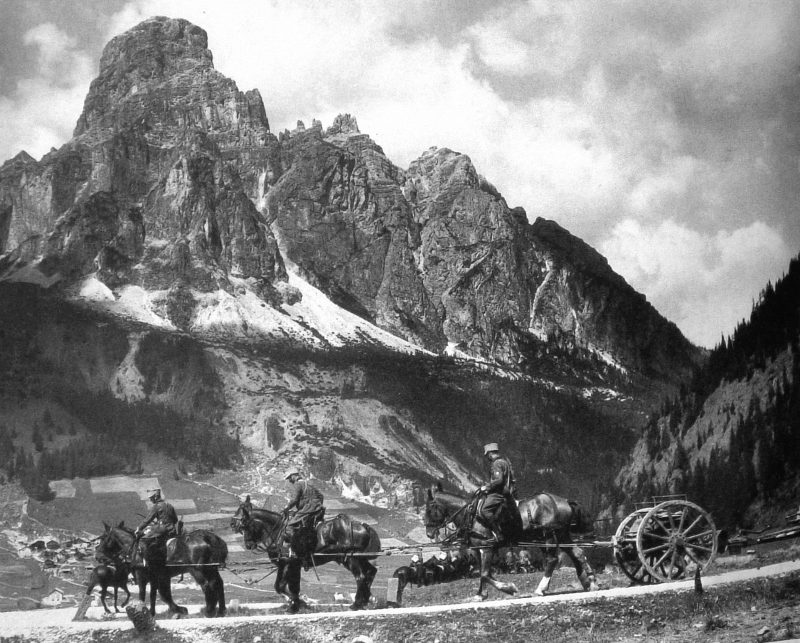
Via ferrata routes have existed for centuries in the form of simple protected paths. For example, in 1843, a route in Hoher Dachstein, a mountain in central Austria, was set up and included climbing aids like pins, carved footholds, and ropes. World war 1, WW1, provided the incentive to build many of the via ferrata routes we know of now.
The Dolomites were part of the Austro-Hungarian empire, one of the Central Powers in WW1. When Italy declared war on the Central Powers, there was a scurry to form a defensive line along the Dolomites. The battles in the mountain ranges were savage with both sides attempting to gain the upper hand by securing the peaks to place observation posts and field guns. To allow troops to scale these mountains, permanent lines were fixed to the steep cliff faces. To this day when traversing these routes, you can see relics of WW1 in the form of trenches and dugouts. In fact, warnings are issued to avoid digging and touching metal parts near these routes, as old ammunition can pose a risk to the unaware and curious.
In France, via ferrata routes were developed largely as a form of sport, with the first in Freissinieres. These typically require high strength to navigate and feature more challenging athletic sections. You’ll find them in dramatic locations, such as gorges, and they have been designed to be accessible, fun, and encourage tourism.
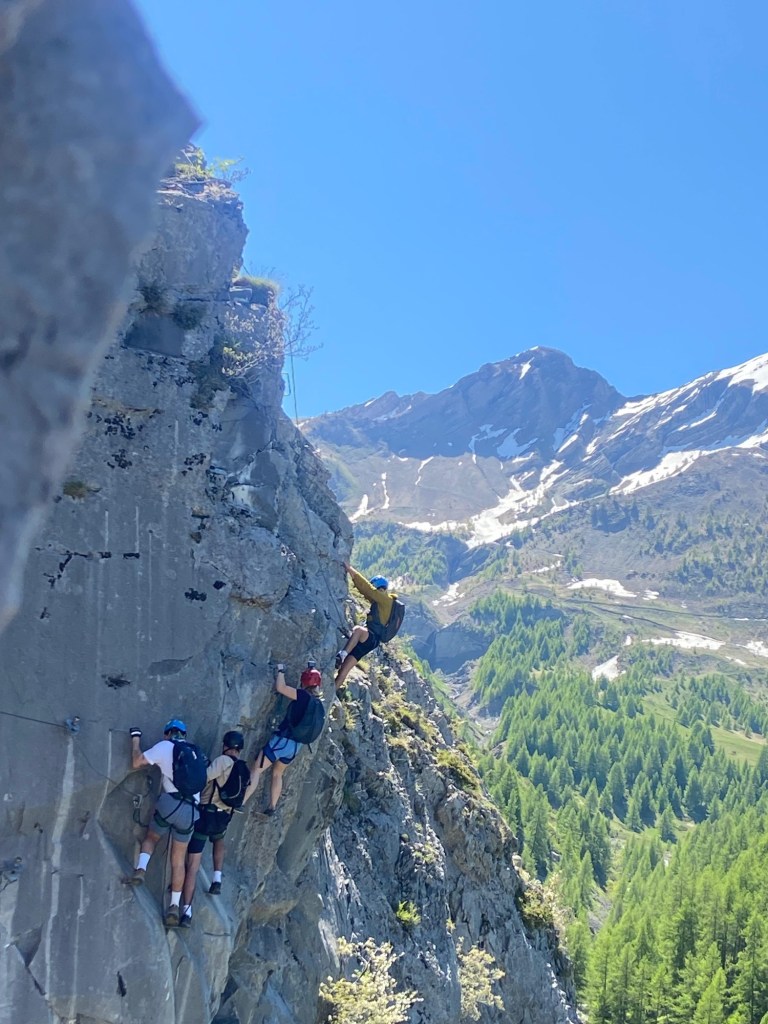
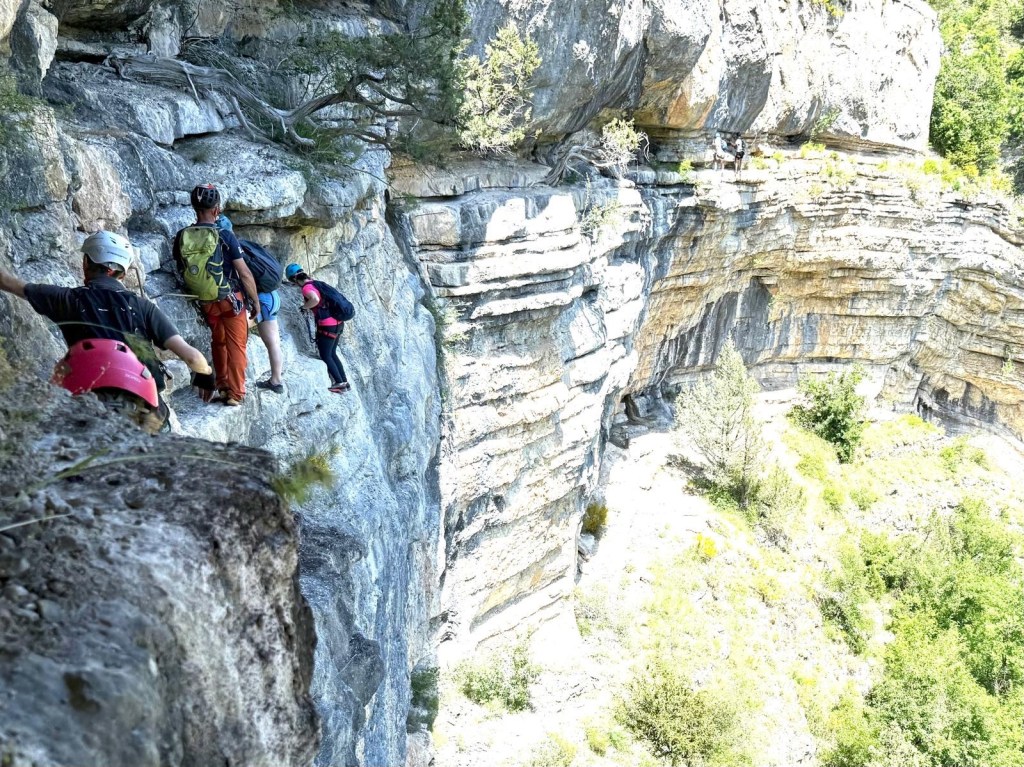
On our tour, each via ferrata came with its own joys, fears, and adventure. The second day had us traversing over the Gorges D’Agnielles. As the water underneath us raged on, we pulled on metal wires and smeared our feet on the rock features past corners. Over 1.2 kilometers, we wound our way to the end of the route very quickly, beating the estimated time for completion by an hour. We finished off the second day on Via Ferrata Les Etroits, featuring some really sporty sections with Elvis leg-inducing exposure.
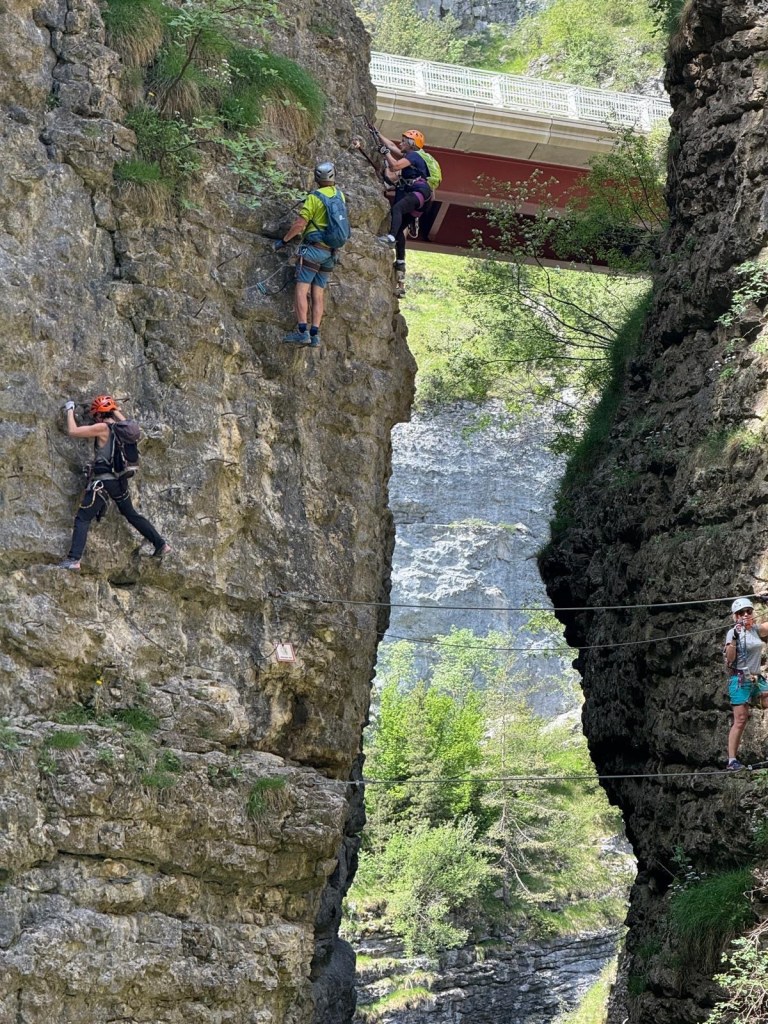
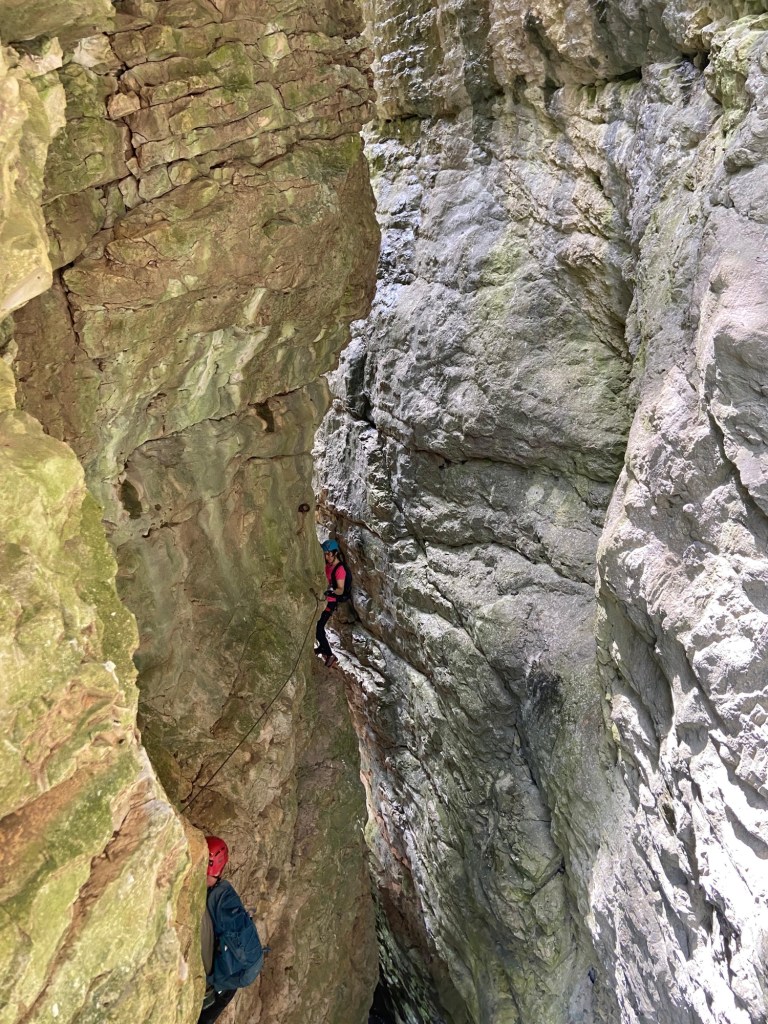
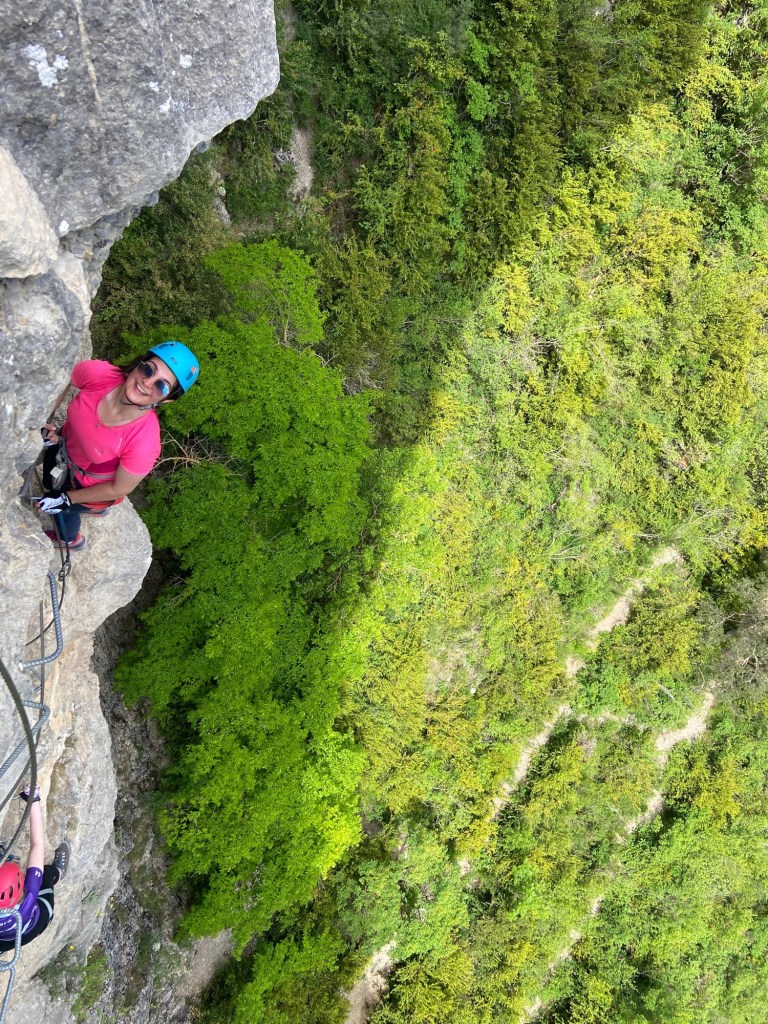
The third day was certainly the best. We began with the oldest via ferrata route in France at Freissinières. It featured rungs that overlooked stunning drops. Imposing snow-capped peaks hovered over our backs, silently reminding you to respect the position you’ve put yourself in. We would find ourselves in ruddy limestone caves that provided a natural pitstop to enjoy the views. It was such a beautiful experience I really wanted to take my time on the route to absorb the scenery. I’ll never forget being told there was a “little down section” coming up and seeing that “little down section” was in fact many rungs that forced you to look at the hundreds of meters of exposure underneath your feet.
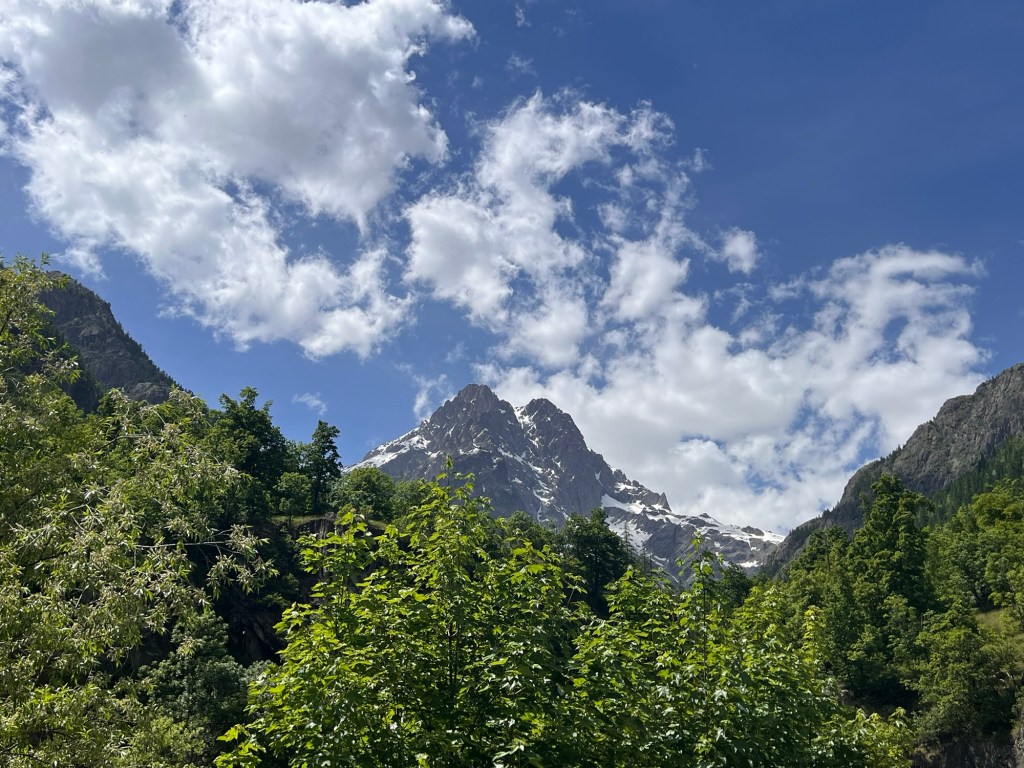
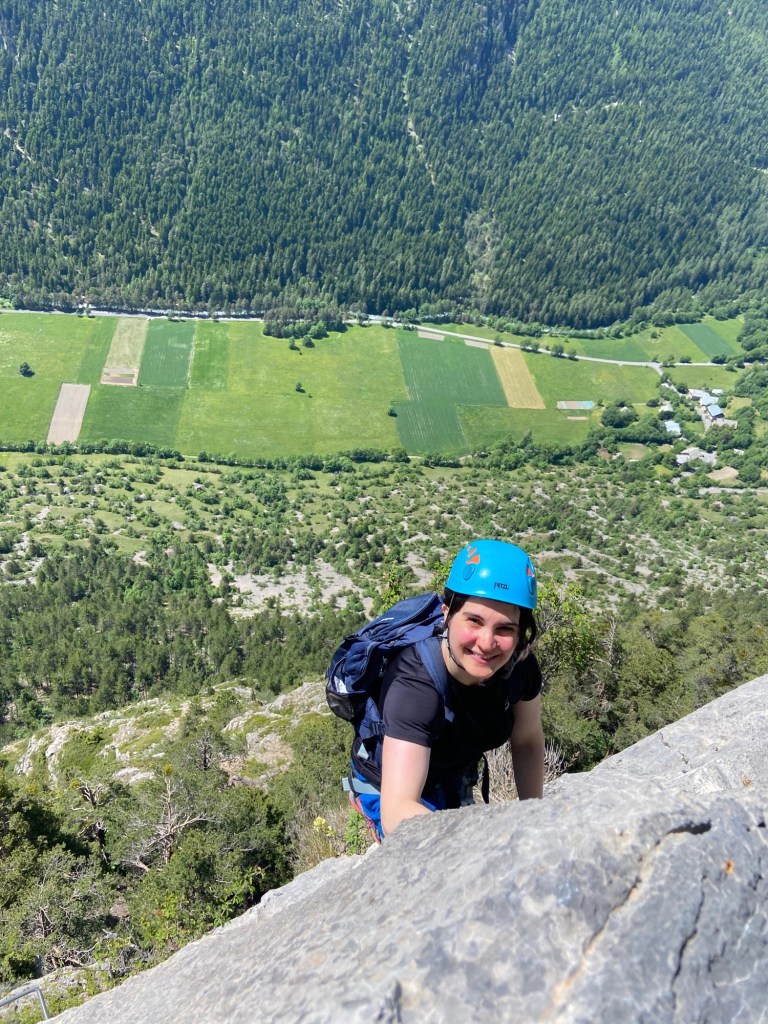
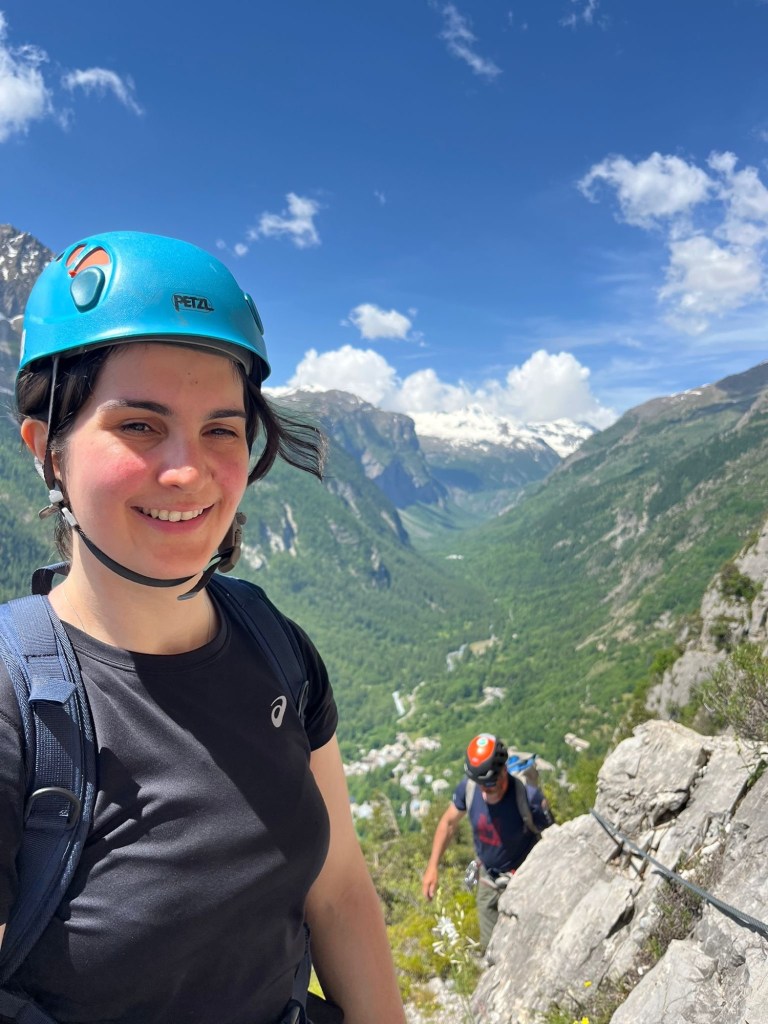
The last day had us tackle Via Ferrata La Grande Fistoire. There was still a light drizzle that morning, which made the start of the climb spooky. I figured tackling the sporty section in the drizzle wasn’t the wisest choice, especially with how tired I was, which only added to the risk. Instead, I crossed a long wooden bridge myself to a resting point on a ridge to wait for the others. It was eerie to complete this short section of via ferrata alone. I stopped in the middle of the bridge and just took in the scenery. It felt both secure and precarious, and I followed a random impulse to get the bridge to wiggle a bit underneath my feet whilst enjoying the scenery. When on the other side, it was meditative to sit in nature waiting for the others to join me at the start of the zip lines. We clipped onto the zip wires and made our way back to the start, wrapping up a wonderful trip.
I’m looking forward to getting back to outdoor climbing in the UK (when the typical drizzly weather settles down) to see if this trip finally cracked my fear of exposure! We shall see.
 curiosity saved the cat
Leave a comment